
Blacksmithing & Metalwork — Canada
Ironberry.org covers traditional blacksmithing methods, the tools that define the trade, and the growing interest in forged metal pieces for Canadian homes. No romanticizing — just the materials, the heat, and the techniques that make it work.
Practical reference material on blacksmithing craft, forge setup, and forged metal pieces that hold up in real Canadian conditions.

Tools & Equipment
A thorough look at the anvil, hammer types, tongs, hardies, and punches that form the foundation of any working smithy — with notes on sourcing in Canada.

Home Accessories
An overview of hand-forged hooks, brackets, candle holders, and garden ironwork — covering finish options, weight ratings, and how to spot quality construction.

Forge Setup
A direct comparison of coal and propane fuel sources for the backyard or small-shop smith — covering heat characteristics, sourcing across provinces, and regulatory notes.
Choosing the right anvil weight and face hardness is among the most consequential decisions a new smith makes. A 150–200 lb cast-steel anvil with a hardened tool-steel face will outlast generations of use. Cast iron anvils sold cheaply at farm auctions often have faces that dent rather than ring — a distinction that shows up immediately in the quality of the work.
Read the tools guide
How drawing out, upsetting, bending, and punching are applied to produce durable hardware from mild steel and wrought iron stock.
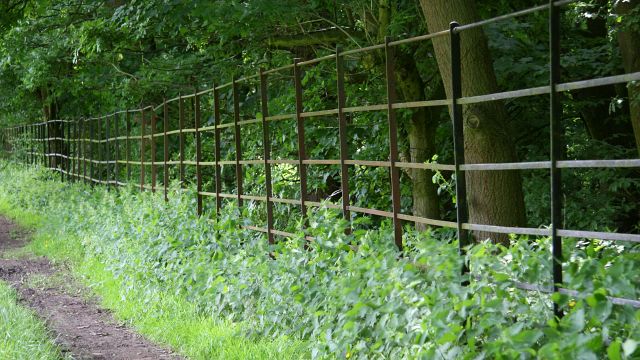
Fence panels, gate hardware, coat hooks, curtain rod brackets, and fireplace tools made to last — notes on what distinguishes handmade from machine-pressed iron.
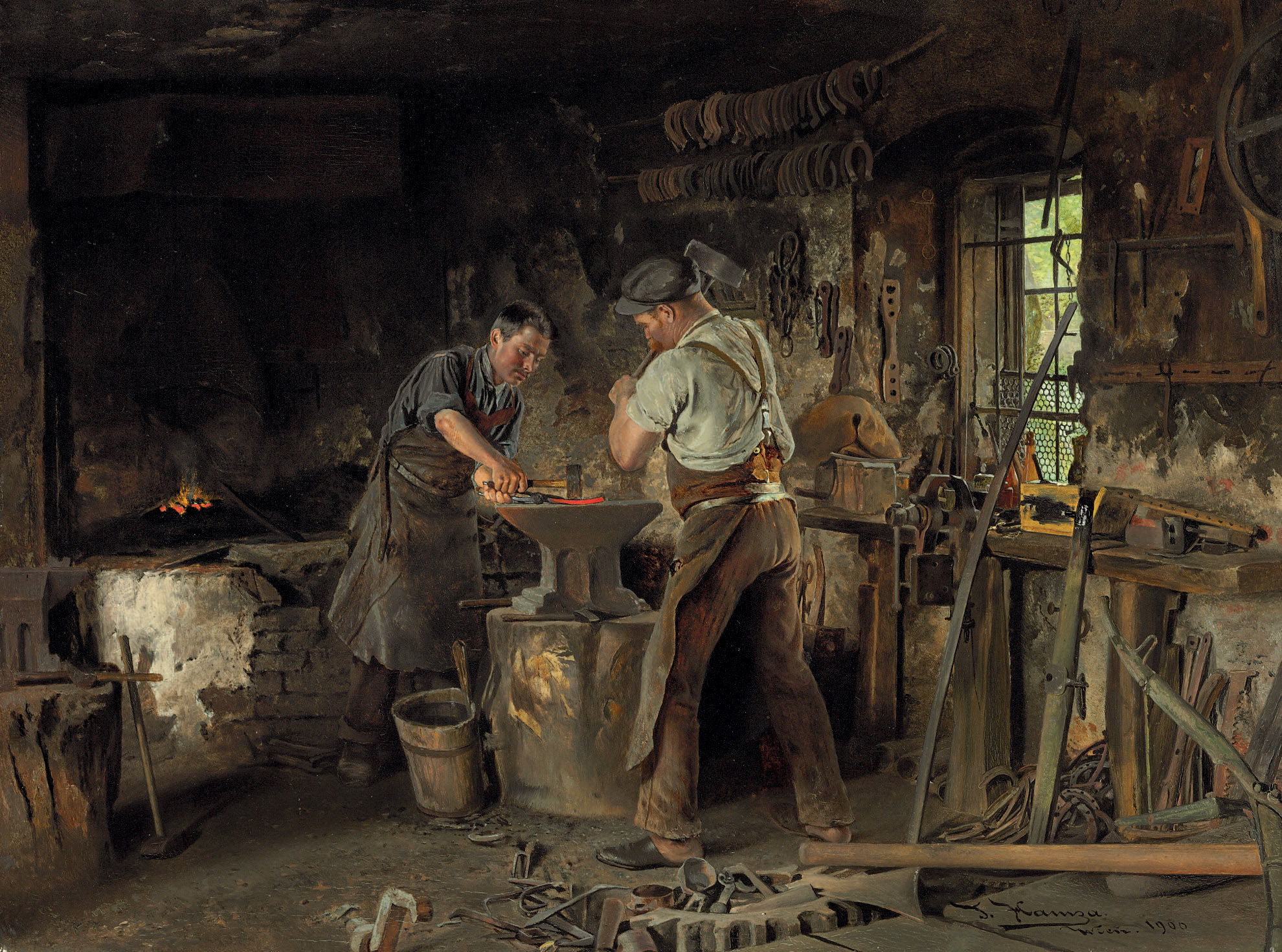
Coal, propane, and induction forges each have a place in the Canadian shop. The choice depends on your province, your space, and what you plan to make.
Interest in forged ironwork as home decor has grown steadily across Canada over the past decade. Unlike cast pieces, hand-forged items carry visible hammer marks, slight asymmetries, and surface texture that make each one distinct. Pieces made from low-carbon mild steel take a dark patina over time — something that factory-painted ironwork cannot replicate.
Read about forged accessoriesContent on Ironberry.org is drawn from technical references on blacksmithing, Canadian provincial trade regulations, and well-documented historical metalwork traditions. External links go to sources including National Museums Scotland on blacksmithing and the Artist Blacksmith's Association of North America (ABANA). Last site review: May 2026.
Use the contact form on the About page to reach the editorial team. We respond to most inquiries within two business days.
Get in touch